


POCO Solar Blog
Common Solar Panel Problems and When to Call for Repairs
Signs Your Solar Electric System May Need Maintenance or Repair
Solar panels are designed to provide reliable, renewable energy for many years. However, like any electrical system, home solar panels can experience performance issues, physical damage, or component failures over time. Recognizing common solar panel problems early can help protect your investment, maintain energy production, and prevent minor concerns from becoming more expensive repairs.
POCO Solar Energy, Inc. provides solar system maintenance and repair services for homeowners throughout San Jose, Redwood City, Morgan Hill, and surrounding California communities. If your solar electric system is not performing as expected, our experienced technicians can help identify the cause and recommend the appropriate solution.
Solar Panels Are Producing Less Energy
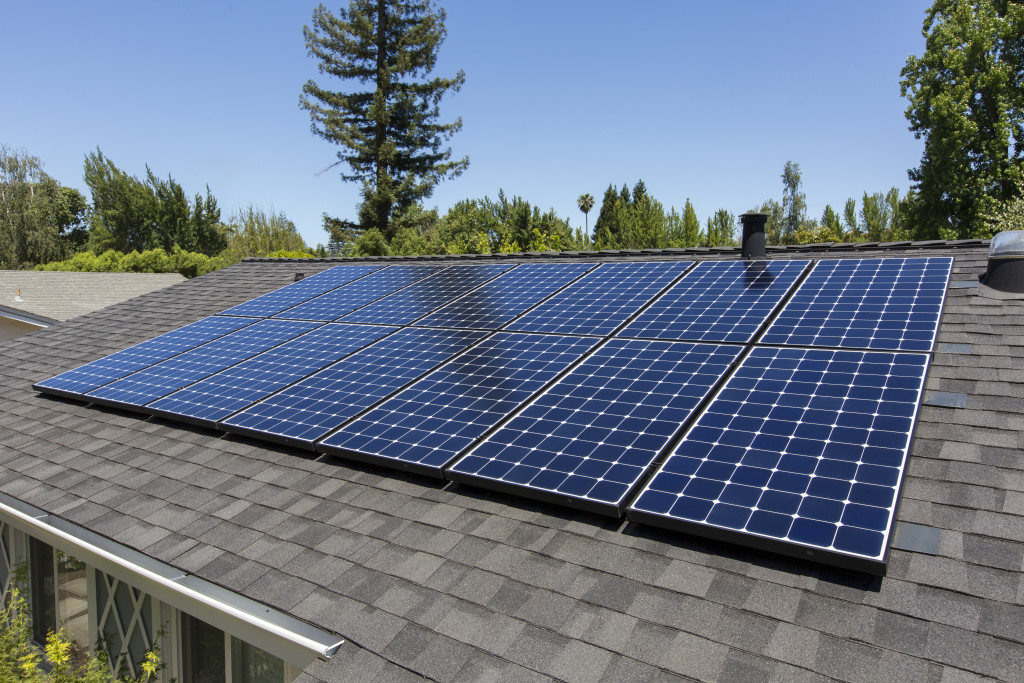
One of the most common signs of a solar panel problem is a noticeable drop in energy production. Some seasonal changes are normal, especially during periods of rain, cloud cover, or reduced daylight. However, a sudden or unexplained decrease in output may indicate an issue with the panels, inverter, wiring, or monitoring system.
Dirt, leaves, bird droppings, and other debris can block sunlight and reduce panel efficiency. New shade from tree growth or nearby construction may also affect production. If cleaning the panels and checking for shading does not resolve the issue, contact a solar professional for a complete inspection.
The Inverter Displays an Error Message
The inverter converts the direct current produced by your solar panels into usable alternating current for your home. If the inverter displays an error code, warning light, or unusual reading, your system may not be operating correctly.
Some inverter alerts may be caused by a temporary interruption, while others can indicate electrical faults, communication issues, overheating, or component failure. Homeowners should avoid opening or attempting to repair the inverter themselves. A trained solar technician can safely evaluate the alert and determine whether the inverter needs troubleshooting, repair, or replacement.
Damaged or Cracked Solar Panels
Solar panels are built to withstand normal outdoor conditions, but severe weather, falling branches, animals, and impact from debris can cause cracks or other visible damage. Even a small crack may allow moisture to enter the panel and affect its performance.
Contact a solar repair professional if you notice cracked glass, broken frames, discoloration, loose components, or signs of moisture beneath the panel surface. Damaged panels may require repair or replacement, depending on the severity of the problem and the applicable warranty.
Loose or Exposed Wiring
Solar panel systems contain wiring that connects the panels to the inverter and other electrical components. Loose, exposed, frayed, or damaged wiring can reduce system performance and create a serious safety concern.
You may notice loose wiring after high winds, storms, wildlife activity, or other physical damage. Do not touch exposed wires or attempt to reconnect components yourself. Turn to a qualified solar technician to inspect the system and complete the necessary repairs safely.
Hot Spots or Burn Marks
Hot spots can develop when one area of a solar panel becomes significantly hotter than the surrounding cells. They may be caused by shading, damaged cells, faulty connections, or manufacturing problems. Over time, hot spots can reduce energy production and potentially damage the panel.
Visible burn marks, dark spots, melting, or unusual discoloration should be inspected as soon as possible. These conditions may indicate an electrical problem that requires professional attention.
Water Leaks Around the Solar Installation
Although solar panels themselves are designed for outdoor use, problems with mounting hardware or roof penetrations can sometimes contribute to water intrusion. If you notice water stains, dripping, damaged roofing materials, or moisture in the attic after a solar installation, contact a professional promptly.
Addressing a roof leak early can help prevent damage to your roofing system, insulation, ceilings, and solar equipment. A qualified technician can inspect the installation and coordinate with a roofing professional when necessary.
The Monitoring System Stops Working
A solar monitoring system allows you to track energy production and identify changes in system performance. If the monitoring app or online portal stops updating, the issue may involve your internet connection, communication equipment, inverter, or solar system wiring.
A monitoring problem does not always mean the panels have stopped producing energy. However, it can prevent you from seeing important performance information. If the system does not reconnect after basic troubleshooting, a solar service professional can investigate the cause.
When Should You Call for Solar Panel Repairs?
- A sudden drop in energy production
- Repeated inverter error messages
- Cracked glass or visible panel damage
- Loose, exposed, or damaged wiring
- Burn marks, melting, or unusual discoloration
- Roof leaks near the solar installation
- Monitoring system problems that do not resolve
- Strange sounds, smoke, or burning odors
Regular maintenance can also help identify problems before they affect your system’s performance. Professional inspections may include checking the panels, inverter, wiring, mounting equipment, system output, and other components.
Contact Us to Schedule a Solar Panel Service!
When your home solar panels are not working properly, prompt service can help restore reliable energy production and protect your investment. POCO Solar Energy, Inc. offers solar system repairs, inspections, troubleshooting, maintenance, and removal and reinstallation services for customers in San Jose, Redwood City, Morgan Hill, and nearby areas.
Contact POCO Solar Energy, Inc. today to schedule solar panel repair or maintenance service. Our team can help determine what is affecting your system and recommend the next step.