POCO Solar Blog

How to Maintain and Maximize the Efficiency of Your Home Solar Panels

Efficient Home Solar Panels in San Jose, CA

Investing in home solar panels is a fantastic way to reduce your carbon footprint while cutting down on energy costs. However, like any significant investment, solar panels require regular care to keep them operating at peak efficiency and extend their lifespan. Proper maintenance not only ensures your system produces maximum energy but also protects your financial investment over the long term.

The solar electric experts at POCO Solar Energy Inc. can walk you through actionable tips for maintaining your home solar panels and optimizing their efficiency. From cleaning to routine inspections, here’s everything you need to know to get the most out of your solar energy system.

Why Solar Panel Maintenance Matters

Solar panels are designed to be durable and long-lasting. However, without regular maintenance, their performance can decline over time due to dirt, debris, and environmental wear. Taking care of your solar panels will maximize their energy output, increase their lifespan, ensure cost efficiency, and generate more energy, helping you rely less on traditional power sources and further reducing your environmental impact.

Key Tips for Maintaining Your Solar Panels

Maintaining your solar panels doesn’t have to be complicated or time-consuming. Following a few simple practices can significantly improve their performance.

1. Clean Your Panels Regularly

Over time, dirt, dust, bird droppings, and leaves can accumulate on your solar panels, blocking sunlight and reducing efficiency. Here’s how to keep them clean:

  • Check for Debris: Inspect your panels for noticeable obstructions. A quick visual check every couple of weeks is usually sufficient.
  • Use the Right Tools: A soft brush or sponge and a bucket of water are typically all you need. Avoid abrasive materials that might scratch the surface.
  • Avoid High-Pressure Tools: Don’t use pressure washers, as they can damage the protective coating on the panels.
  • Schedule Cleaning for Mornings or Evenings: Cleaning during cooler times of the day prevents water from evaporating too quickly, leaving streaks.

If you’re unsure about cleaning your panels yourself, professional services—like those offered by POCO Solar—can ensure the job is done safely and thoroughly.

2. Conduct Routine Inspections

Regular inspections can help you spot potential issues before they become costly problems. Here’s what to look out for:

  • Physical Damage: Check for cracks, chips, or other visible damages on the panels.
  • Wiring Issues: Inspect the wiring around your system to ensure it hasn’t been disturbed by animals or weather conditions.
  • Shading Problems: Make sure trees or other structures haven’t started to cast shadows on your panels during peak sunlight hours.

Scheduling periodic evaluations with a qualified solar technician is always a good idea for a more thorough assessment.

3. Monitor Your System’s Performance

Most modern solar energy systems come with monitoring apps or portals that provide real-time insights into energy production. Use these tools to track your system’s performance and identify any dips in output.

  • Set Benchmarks: Note typical energy production levels during different times of the year.
  • Watch for Irregularities: If you notice a significant drop in performance, it could indicate a need for cleaning, repairs, or troubleshooting.

Monitoring is an easy yet powerful way to stay ahead of potential performance issues.

4. Protect Your System from Seasonal Challenges

Environmental factors like ice, snow, and high temperatures can affect solar panels’ efficiency:

  • Winter Maintenance: Gently remove ice and snow buildup, but avoid using sharp tools that may scratch the surface.
  • Storm Precautions: After severe weather, inspect panels for damage or debris.
  • Heat Management: Panels can slightly lose efficiency in extreme heat. While this is mostly unavoidable, ensuring proper ventilation around your panels can help.

These small seasonal adjustments can help ensure optimal performance year-round.

5. Schedule Professional Maintenance

While DIY maintenance can handle many day-to-day concerns, a professional inspection at least once a year is invaluable. Experts can identify and fix small issues—like loose connections or hardware degradation—that could otherwise impact long-term efficiency.

Benefits of Proper Solar Panel Maintenance

By following these maintenance tips, you can enjoy several notable benefits:

  • Consistent Efficiency: Clean, well-monitored panels deliver reliable energy output, keeping your home powered efficiently.
  • Lower Energy Bills: High-performing panels make the most of your investment, reducing your reliance on expensive utility electricity.
  • Peace of Mind: Regular maintenance minimizes the risk of unexpected repairs or equipment failures, giving you confidence in your system’s reliability.
  • Improved Resale Value: If you decide to sell your property, a well-maintained solar system is a major selling point for potential buyers.

Need Help? Trust POCO Solar for Expert Maintenance

Maintaining your solar panels is one of the best ways to protect your investment and maximize your energy savings. If you’re unsure about handling it yourself or need a professional tune-up, POCO Solar Energy Inc. is here to help. Our team of experts specializes in solar panel maintenance, offering thorough inspections and cleaning services to keep your system performing at its best.

Contact POCO Solar Energy Inc. today to learn more about our services and get expert advice on maintaining your home solar panels. With the right care, your solar system will continue delivering clean, cost-effective energy for years to come! Trust us for everything solar electric in San Jose, CA; Redwood City, CA; and Morgan Hill, CA.

POCO Solar Blog

How Solar Pool Heaters Can Extend Your Swimming Season

How Solar Pool Heaters Can Extend Your Swimming Season

Imagine stepping into a warm and inviting pool, even when the days start to cool off. At POCO Solar, we understand how much our clients in San Jose, Redwood City, and Morgan Hill enjoy their swimming pools, and we’re here to help you make the most of them. Solar pool heaters are an incredible way to extend your swimming season while promoting energy efficiency and reducing costs.

How Solar Pool Heaters Work

Solar pool heating systems use energy from the sun to maintain your pool’s temperature. The system pumps your pool water through solar collectors, typically installed on your roof or a sunny area on your property. These collectors capture heat from the sun and transfer it to the water before returning it to your pool. This process repeats continuously, keeping your pool warm without relying on expensive, energy-intensive equipment.

Benefits of Solar Pool Heaters

Enjoy Longer Swimming Seasons

One of the biggest advantages of solar pool heating is its ability to extend your swimming season significantly. Typically, outdoor pools in California are most comfortable in the summer months, but with a solar heater, you can start swimming earlier in the spring and keep going well into the fall.

Cost-Effective and Energy-Efficient

Unlike gas or electric heaters, solar pool heaters use the sun’s energy, which means no spike in your utility bills. Once installed, the system relies mainly on solar power, making it an economical and sustainable choice.

Low Maintenance and Long-Lasting

Solar pool heating systems are designed to be durable, requiring minimal upkeep. With proper installation and care, these systems can last 15-20 years, giving you many years of comfortable swimming.

Great for Homeowners in California

With plenty of sunny days year-round, California, especially areas like San Jose, Morgan Hill, and Redwood City, is ideal for solar pool heating. It’s an environmentally friendly solution that aligns perfectly with the region’s focus on renewable energy.

Make the Most of Your Pool

Don’t miss out on the chance to enjoy your pool to the fullest. With a solar pool heating system, you’re investing in comfort, savings, and sustainability. We’d love to help you explore your options and find the perfect solution for your needs. Call us at (408) 970-0680 or (650) 324-0680 to schedule an appointment.


POCO Solar Blog

Solar Electric vs. Traditional Energy: Why Solar is the Future

The global shift toward renewable energy is more than a trend; it’s a necessity. Traditional energy sources like fossil fuels are not only depleting but also harming our environment. Solar electric energy is an innovative and sustainable solution that’s revolutionizing the way we power our lives.

At POCO Solar Energy, Inc., we specialize in helping homeowners and businesses transition to solar electric systems that save money, increase energy efficiency, and reduce carbon footprints. But how does solar compare to traditional energy? And why is it shaping up to be the future of power? Let’s break it down.

Benefits of Solar Electric Energy

When it comes to choosing between traditional energy sources and solar electric systems, the advantages of going solar are clear. Here’s why switching to solar electric is an investment in the future:

Cost Savings: Solar power significantly reduces monthly energy bills. With POCO Solar Energy, Inc.’s high-quality home solar panels, you can slash your energy costs and enjoy an excellent return on investment.

Environmentally Friendly: Solar electric energy is clean and renewable, unlike fossil fuels that release harmful greenhouse gases. Going solar is an easy step toward reducing your carbon footprint.

Energy Independence: With a solar electric system, you’re no longer reliant on fluctuating energy prices from traditional grid suppliers.

Durability and Longevity: Home solar panels are built to last, often providing 25+ years of reliable energy with minimal maintenance. POCO Solar Energy, Inc. provides installations that are designed for long-term performance.

How to Upgrade to Solar Electric 

Schedule a Consultation

Reach out to POCO Solar Energy, Inc. for a free consultation. Our team will assess your energy needs and design a tailored solar electric solution for your home or business.

Custom System Design

Using state-of-the-art technology, our experts craft efficient systems that maximize energy production based on your location and energy needs.

Professional Installation

Our experienced technicians handle every step of the installation process, ensuring your system is reliable and up to code.

Experience the Savings

Once your system is up and running, you’ll immediately start enjoying lower energy bills and the satisfaction of contributing to environmental sustainability.

Contact Us Today for Solar Electric!

Switching to solar electric isn’t just about saving money. It’s about investing in a better, greener future for your family, your community, and the planet. At POCO Solar Energy, Inc., we’ve been empowering homes and businesses across San Jose, Redwood City, and Morgan Hill, CA for over three decades. Our durable home solar panels and experienced team are here to make the transition seamless and stress-free. Contact us today to learn more or to schedule a free consultation.


POCO Solar Blog

Can Solar Panels Be Installed on a Metal Roof?

Can Solar Panels Be Installed on a Metal Roof?

When considering solar panel installation, one of the most common questions homeowners have is whether their roof type is suitable for solar panels. If you have a metal roof, you might be wondering if it’s a viable option. The good news is that solar panels can indeed be installed on metal roofs, and there are several advantages to doing so.

Benefits of Solar Panels on Metal Roofs

Metal roofs are known for their durability and longevity, often lasting 40 to 80 years. This makes them an excellent choice for solar panel installation, as the panels themselves typically have a lifespan of 25 to 30 years. The robust nature of metal roofs ensures that they can support the weight and structure of solar panels without compromising their integrity.

Another significant benefit is the ease of installation. Metal roofs often have standing seams or flat surfaces, which provide a stable and secure base for mounting solar panels. This can reduce the overall installation time and cost compared to other roof types. Additionally, metal roofs are highly reflective, which can help reduce the temperature of the solar panels, potentially increasing their efficiency.

Feasibility and Considerations

While metal roofs are generally compatible with solar panels, there are a few considerations to keep in mind. The type of metal roof you have can affect the installation process. Standing seam metal roofs, for example, are ideal for solar panel mounting because they allow for the use of clamps that secure the panels without penetrating the roof surface. This minimizes the risk of leaks and other damage.

Flat metal roofs can also be suitable, but they may require additional support structures to ensure the panels are properly angled for optimal sunlight absorption. It’s important to consult with a professional to assess your specific roof type and determine the best installation method.

Longevity of Solar Panels on Metal Roofs

Solar panels are designed to withstand various weather conditions and can last for decades. When installed on a metal roof, they benefit from the roof’s durability and resistance to corrosion, which can further extend their lifespan. Regular maintenance and inspections can help ensure that both the solar panels and the metal roof remain in top condition.

Additional Services from POCO Solar Energy Inc

At POCO Solar Energy Inc, we offer a comprehensive range of solar solutions to meet your needs. Whether you’re interested in solar electric systems, home solar panelssolar pool heaters, or other solar technologies, our team is here to guide you through the process. We serve residents in Santa Clara, San Jose, Redwood City, and Morgan Hill, CA, providing personalized service and high-quality installations.

Contact POCO Solar Energy Inc Today

If you’re considering solar panel installation on your metal roof, don’t hesitate to reach out to us. Our team is ready to answer your questions and provide a free consultation to assess your property’s potential. Call POCO Solar Energy Inc at (408) 970-0680 to take the first step towards a more sustainable and energy-efficient home. Let’s work together to harness the power of the sun and transform your outdoor space!


POCO Solar Blog

Solar Panel Maintenance + Cleaning Tips for Homeowners

Solar Panel Maintenance + Cleaning Tips for Homeowners

Maintaining and cleaning your solar panels is essential for ensuring they operate at maximum efficiency. At POCO Solar Energy in Santa Clara, CA, we understand the importance of keeping your solar panels in top condition. Here are some tips and services for homeowners in San Jose, Redwood City, and Morgan Hill to help you maintain and clean your solar panels effectively.

How Often Should Solar Panels Be Cleaned?

The frequency of cleaning your solar panels depends on several factors, including your location, weather conditions, and the amount of dust and debris in the air. Generally, it’s recommended to clean your solar panels at least once or twice a year. However, if you live in an area with high levels of pollution, dust, or bird droppings, you may need to clean them more frequently.

What Products and Materials Are Required for Cleaning?

Cleaning solar panels is a straightforward process that requires minimal equipment. Here’s what you’ll need:

  • Soft Bristle Brush or Sponge: Use a soft brush or sponge to gently scrub the panels without damaging them.
  • Mild Soap or Detergent: A mild soap or detergent can help remove dirt and grime. Avoid using harsh chemicals that could harm the panels.
  • Water: A hose or a bucket of water is essential for rinsing the panels.
  • Squeegee: A squeegee can help remove excess water and prevent streaks.

Step-by-Step Cleaning Process

  1. Safety First: Ensure you have a stable ladder and someone to assist you if needed. Always prioritize safety when working at heights.
  2. Turn Off the System: Before cleaning, turn off the solar panel system to avoid any electrical hazards.
  3. Rinse the Panels: Use a hose to rinse the panels and remove loose dirt and debris.
  4. Apply Soap: Mix a mild soap or detergent with water and apply it to the panels using a soft brush or sponge.
  5. Scrub Gently: Gently scrub the panels to remove any remaining dirt or grime.
  6. Rinse Thoroughly: Rinse the panels with clean water to remove all soap residue.
  7. Dry the Panels: Use a squeegee to remove excess water and prevent streaks.

Additional Maintenance Tips

  • Inspect Regularly: Regularly inspect your solar panels for any signs of damage, such as cracks, loose wires, or corrosion.
  • Trim Trees: Keep trees and branches trimmed to prevent shading and debris from falling onto the panels.
  • Monitor Performance: Use a monitoring system to track the performance of your solar panels and identify any issues early.
  • Professional Inspections: Schedule professional inspections annually to ensure your solar panels are functioning optimally.

At POCO Solar Energy, we are dedicated to providing top-quality solar panel maintenance and cleaning services. Our team of experienced professionals can help you keep your solar panels in excellent condition, ensuring they operate at maximum efficiency.

Keep Your Solar Panels Shining

Don’t let dirt and debris reduce the efficiency of your solar panels. Regular maintenance and cleaning can help you maximize your solar energy production and save on energy costs. If you’re a homeowner in San Jose, Redwood City, or Morgan Hill, contact POCO Solar Energy today for professional solar panel maintenance and cleaning services. Call us at (408) 970-0680 or (650) 324-0680 for a free estimate and let us help you keep your solar panels shining!


POCO Solar Blog

Understanding Solar Pool Heating Systems

What is a Solar Pool Heating System?

Are you looking to extend your swimming season and reduce your energy bills? A solar pool heating system might be the perfect solution for you. At POCO Solar Energy in Santa Clara, CA, we specialize in solar pool heaters that harness the power of the sun to keep your pool warm and inviting. Here’s everything you need to know about solar pool heating systems.

A solar pool heating system uses solar energy to heat your swimming pool. It consists of solar collectors, a filter, a pump, and a flow control valve. The system captures the sun’s heat and transfers it to the pool water, providing a cost-effective and eco-friendly way to maintain a comfortable swimming temperature.

How Does a Solar Pool Heating System Work?

The process is straightforward:

  • Water Circulation: Pool water is pumped through a filter to remove debris.
  • Solar Collectors: The filtered water is then directed to the solar collectors, which are typically mounted on the roof or a nearby structure.
  • Heat Transfer: As the water flows through the collectors, it absorbs heat from the sun.
  • Return to Pool: The heated water is then returned to the pool, raising its overall temperature.

How is a Solar Pool Heating System Installed?

The installation process involves several steps:

  • Site Assessment: Our team will evaluate your property to determine the best location for the solar collectors.
  • System Design: We’ll design a system tailored to your pool size and heating needs.
  • Installation: The solar collectors are installed, usually on the roof, and connected to your pool’s existing filtration system.
  • Testing: Once installed, the system is tested to ensure it’s working correctly and efficiently.

How Long Do Solar Pool Heating Systems Last?

Solar pool heating systems are designed to be durable and long-lasting. With proper installation and maintenance, a high-quality system can last for 15 to 20 years or more. The lifespan can vary depending on factors such as the quality of the components, the climate, and how well the system is maintained.

Solar Pool Heater Maintenance Requirements

One of the great advantages of solar pool heating systems is their low maintenance requirements. Here are a few simple steps to keep your system running smoothly:

  • Regular Inspections: Periodically check the solar collectors for any signs of damage or debris.
  • Cleaning: Keep the collectors clean to ensure maximum sunlight absorption.
  • System Checks: Have a professional inspect the system annually to ensure all components are functioning properly.

Ready to Dive In?

At POCO Solar Energy, we are committed to providing top-quality solar pool heating systems that are both efficient and reliable. Our team of experienced professionals will guide you through the entire process, from initial consultation to installation and maintenance.

If you’re ready to enjoy a warmer pool and lower energy bills, contact POCO Solar Energy today. We offer free estimates and are here to answer any questions you may have about solar pool heating systems. Call us at (408) 970-0680 or (650) 324-0680 to get started!


POCO Solar Blog

Preparing Your Solar Panels for Winter

Winter Preparation Tips for Solar Panels

The winter brings about changes that can minimize the effectiveness of your solar panels and damage your solar energy system. There will be less daylight which will impact your panel’s ability to produce electricity. The cold weather can also cause your battery’s energy reserves to get depleted. So, you need to take a few precautions to protect your solar panel system during the cold weather of winter. They include:


  • Insulate Your Battery: Solar batteries are designed to power your electrical system should your solar panels not produce enough electricity to power it fully. The cold weather of winter can cause the energy reserves of your solar battery to decrease. Your solar battery can withstand a wide range of temperatures. Be sure to insulate your batteries to protect them from extreme temperatures.


  • Clear Off Any Debris: Debris that is blocking any part of the panel will inhibit its ability to produce electricity. Although we do not get snow in most places of California, your panels can still be covered by various types of debris. Be sure to sweep off any debris that may be blocking the power cells of your panels.


  • Adjust the Angle of the Panels: If your panels are adjustable, adjust them to try to capture more light. If your panels are fixed, do not try to adjust them on your own. Only a professional solar energy company should ever disconnect or move your solar panels. However, a professional solar energy contractor will consider the winter weather when installing fixed solar panels.

Contact Us Today to Learn More About Home Solar Panels!

At POCO Solar Energy Inc, we provide home solar panels to the San Jose, CA area. Solar panels are an eco-friendly way to power your home and reduce your energy bills. They are installed on your roof and utilize sunlight to generate electricity. The electricity is then used to power your home and any extra electricity is stored in backup batteries. Many homeowners consider having solar panels installed on their home to reap the numerous benefits they provide. If you are interested in learning more about residential solar panels, contact us today!


POCO Solar Blog

Residential Rain Harvesting: The Basics of Using a Rain Barrel at Home (Guest Blogger Megan Cooper)

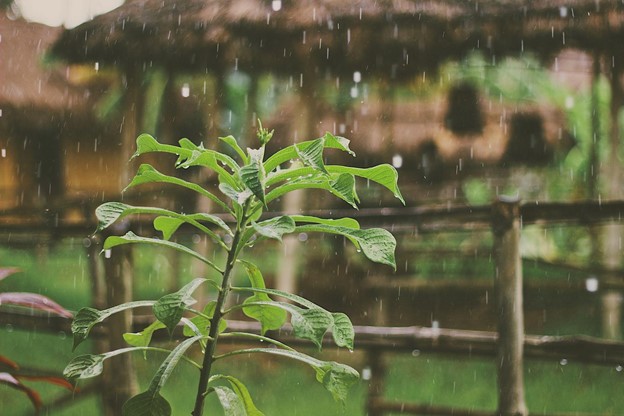
Image via Unsplash

Residential Rain Harvesting: The Basics of Using a Rain Barrel at Home

Whether you live in an area where rain is scarce or abundant, harvesting rainwater is an excellent way to benefit the environment and cut down on your water bill. By using rain barrels at home, you can recycle gallons upon gallons of water to wash your vehicles, water your garden, and do many other everyday activities.

If you’re interested in rain harvesting but are unsure where to start, you have come to the right place! Consider these essential tips for using rain barrels to save water and money:

Make a Rain Barrel     

There are plenty of rain barrel kits on the market, but it is also easy to create DIY barrels. All you need is a 55-gallon barrel or drum made of food-grade plastic. And you need to choose where to put your rain barrel; most homeowners put their barrels under a downspout.

Once you have a barrel, drill a five-inch hole about four inches above the base for draining. Then, drill another hole near the top for overflow water. You will need to install spigots in the drain and overflow holes, along with washers and sealant.

Attach the Rain Barrel to a Downspout

To ensure the downspout fits in the lid of your rain barrel, you will need to make a hole in the lid and make any necessary adjustments to the downspout. For example, you may need to make the downspout shorter or install an elbow at the end.

To minimize contaminants in your water supply, use a window screen, landscape fabric, or any other material that can filter out debris to line the inside of the barrel. Most rain barrels already have a lid; otherwise, you can use a trash can lid or a wood slab as a covering.

Keep Your Gutters Clean    

Once you have created your rain barrel, it’s time to set yourself up for accessible rainwater collection. One of the most important steps is to clear out your gutters and keep them clean. It’s best to inspect your gutters bi-annually and to remove any sticks, leaves, dirt, and other debris.

Having your gutters inspected will also reveal whether any replacements or repairs are needed. Using resources like Angi is the easiest way to find the best gutter pros in your area because it lets you compare rates, available discounts, and reviews. Search “roof and gutter cleaning near me” to evaluate local pros.

Many residents in the bay area fail to keep up with gutter maintenance because it generally only rains heavily during winter, which leaves minimal debris and moisture in gutters. But this poses a problem for our solar customers: Solar panels collect moisture year-round, and that moisture can trickle into gutters with debris block if from draining out and eventually cause rust and corrosion.

Regularly Empty and Clean the Rain Barrel

Finally, don’t allow collected rainwater to remain in your barrel for longer than one week. Remember to empty your barrel regularly, and clean it out at least once a year. All you have to do is disconnect the barrel and leave it upside down on the ground to drain out. Then, rinse and clean the inside and outside of the barrel, and use soapy water and cleaning supplies to finish the job. Let the barrel dry, and you’re good to go!

If you want to play your part in saving the planet while also lowering your water bill, harvesting rainwater is an excellent way to do it. Follow the tips above to create a rain barrel, maintain your gutters, and clean your barrel regularly. When it’s time to wash your car and water your garden, you won’t regret the time and effort!

-Article by Megan Cooper of reallifehome.net

Would you like to read more helpful content or learn about how we provide various solar systems and products to our customers? Visit pocosolar.com today!


POCO Solar Blog

6 Ways to Make Your Home More Energy Efficient- by Guest Blogger Greg Tillotson

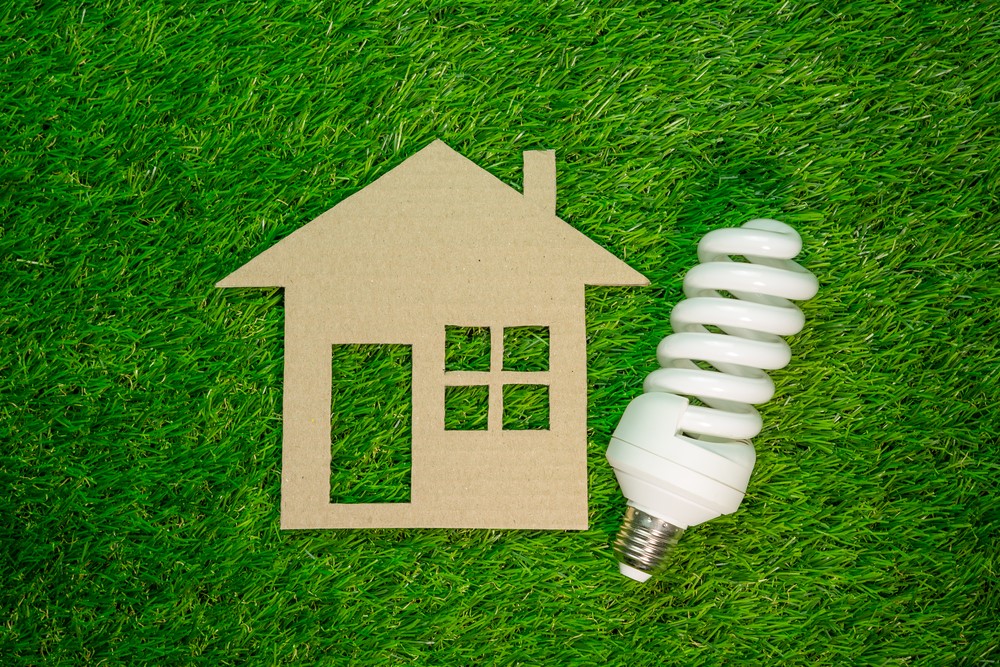
 Paper House On Grass


Whether you realize it or not, a house is more than just a house. It’s a system—and one that requires taking measures to make it run more efficiently (while also saving you money). If you’re a homeowner who has lived in your house for at least a year or two, you may have noticed that your energy usage (and energy costs) go up dramatically in the summertime. When summer arrives, so do rising temperatures, forcing many homeowners to crank up their air conditioners to full blast just to keep them cool. Fortunately, there are ways you can cut down on your energy usage and trim down your cooling costs without having to suffer through hot days and nights. Here are six ways to make your home more energy-efficient:


  1. Install a Ceiling Fan


When you’re trying to save money on your electric bills, the first step is to limit the use of your AC as much as possible—or, at the very least, run it at a higher temperature so that it doesn’t kick on as often. Fortunately, ceiling fans use significantly less electricity than AC units do and can work wonders for keeping a room cool. It’s important to note that ceiling fans don’t lower the temperature of a room; however, they do make it feel cooler by moving air around. When used in conjunction with your AC unit, you’ll be able to increase the temperature on the thermostat by a few degrees while remaining comfortable. Your AC will run less frequently and, in turn, you’ll lower your energy costs overall. Many homes already have ceiling fans hanging in various rooms, but if you don’t already, consider purchasing ceiling fans for your own home and installing them in areas where they’re needed the most. There are even outdoor ceiling fans you can purchase to keep patio spaces cool as well.

Modern Bed Area Furnished


  1. Seal and Insulate Your Home


One of the most cost-effective solutions to making your home more comfortable and energy-efficient is to make sure it is tightly sealed and insulated. A poorly insulated and improperly sealed house will allow outdoor air to leak into the house while cool air leaks out through various places in your home, including the cracks around your doors and windows, ducts, vents and through your roof or attic is one of the most common causes of high energy bills. Fortunately, there are a variety of repairs you can make to help you save money on your energy costs. Using a combination of caulk and insulation, plug up any large holes in locations like the attic where there is more likely to be a greater leak and seal up small holes and cracks in your windows and walls. You can also use weatherstripping to seal any gaps in your doors.


  1. Install Solar Panels


If you’re willing to make the investment and have the budget for it, then solar panels are a great way to make your home more efficient and offset energy costs. Did you know that the average annual energy usage per person in the United States is $3,052? Solar energy can reduce or eliminate these costs as soon as they’re installed and can lead to long-term savings as well. By having solar panels installed at your home, you can also earn tax credits and rebates. When you file your taxes, you’ll receive 30 percent of the costs for the entire system as a federal income tax credit. When you combine this with state and local rebates and Solar Renewable Energy Credits (SRECs) and you can practically cut your total costs in half. Solar panels are also much better for the environment (and better for us, too). While traditional electricity is sourced from fossil fuels, solar panels use clean energy from the sun.


  1. Turn Off the Lights


Another simple solution for conserving energy and lowering your electricity bill is to make sure all of the lights in your home are turned off during the day. If the weather permits, open up some of your window coverings to allow natural light to shine in. Simply by turning off the lights in the daytime, you can significantly reduce your energy usage.

Hand Turning On Off

  1. Unplug Electronics and Unused Chargers


Most people have no idea how much energy they’re wasting simply by keeping electronics plugged in while they’re not in use. Your TV, computers and anything with a clock or light that stays on even when the device is powered off can still drain power. The same thing goes with a cell phone and battery chargers, which can be responsible for at least 10 percent of your energy bill. This doesn’t necessarily mean that you have to go to each room of your home plugging and unplugging your devices and chargers all the time. A simple solution is to plug these into surge protectors or outlets that connect to wall switches. This way, there’s no power to drain when everything is turned off.


  1. Don’t Wash with Hot Water


When washing your clothes in the washer, avoid using hot water when you can. Most people don’t realize that most of the energy used by your washer is used to heat the water. Only a small percentage is used to run the machine. You can save a tremendous amount of energy by simply using cooler water for every load. For more energy savings, take advantage of the warmer weather in the summertime by hanging your clothes out to dry instead of running them through the dryer.


Final Thoughts


These are just a few simple and cost-effective ways to improve your home’s energy efficiency and save money on your electric bill. By making a few easy changes, you can drastically reduce your energy usage and costs, especially during the hot summer months.


POCO Solar Blog

Pergola Solar Installation

Pergola Solar Saratoga CA

Update Your Pergola With Solar Electric Technology

Most solar installations are on your homes rooftop because it’s typically the most obvious structurally sound, not in your way, & sunny place on your property however, it’s not the only solution there is. some of our customers with larger lots or acreage opt to install solar electric or solar pool heating on a ground racking system. Another option or solution is installation solar on a pergola.

If your rooftop doesn’t have enough space for solar to cover your needs or if you’re thinking of getting both solar pool heating and solar electric and need a little extra space, a backyard pergola can be of many benefits to you. If you already have pergola, you already know of some of the benefit such as the aesthetics & practicality it can bring to your outdoor living space. It can add shade for lounging, coverage for outdoor kitchen, a place to hang pants, and it adds value to your home.

Pergola Solar Saratoga, CA

Have an existing pergola and are interested in solar? One of our solar experts can assess if it can be utilized to house/install either a solar pool heating system or a solar electric system, so your pergola can add yet another benefit to it’s list of either heating your pool or powering your home with the suns free clean energy.The photo shared here is from a solar installation in Saratoga

Reach out if to us if you’ve been thinking of adding solar to your home’s pergola, patio cover, or rooftop. POCO Solar Energy are your full service solar experts for our neighbors in Santa Clara County, Santa Cruz County, San Mateo County, Monterey County, and San Benito County since 1984.